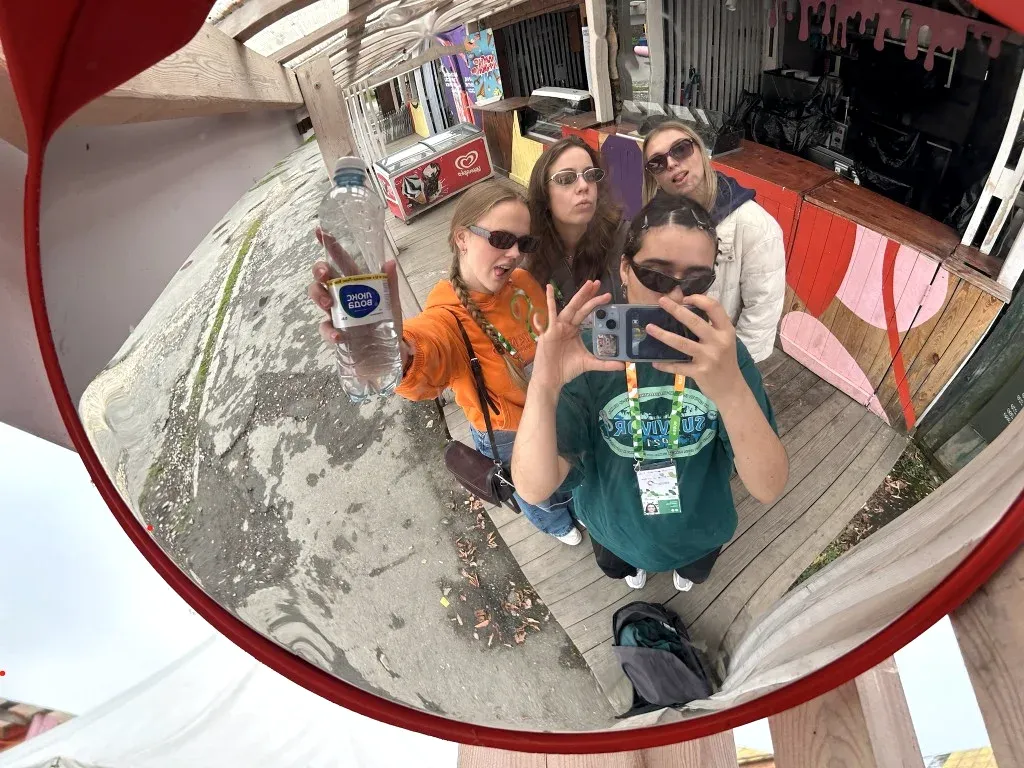
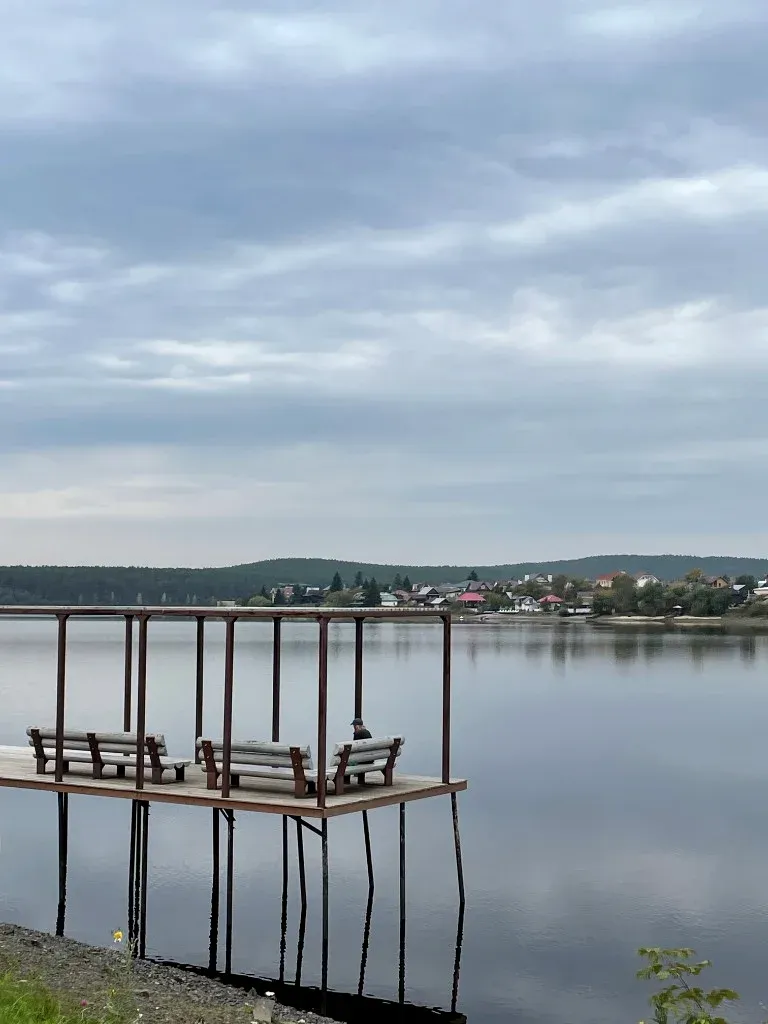
It’s astonishing how much grandeur can fit inside a small town.
Such places shout about their strength, their creativity, their one-of-a-kind spirit, yet it’s as if those voices hit a dome stretched over the entire region and never travel any further. And then you arrive for just a few hours, and one question takes over your mind: “Why does nobody know about this?!”
That’s exactly what happened to me in Sysert.
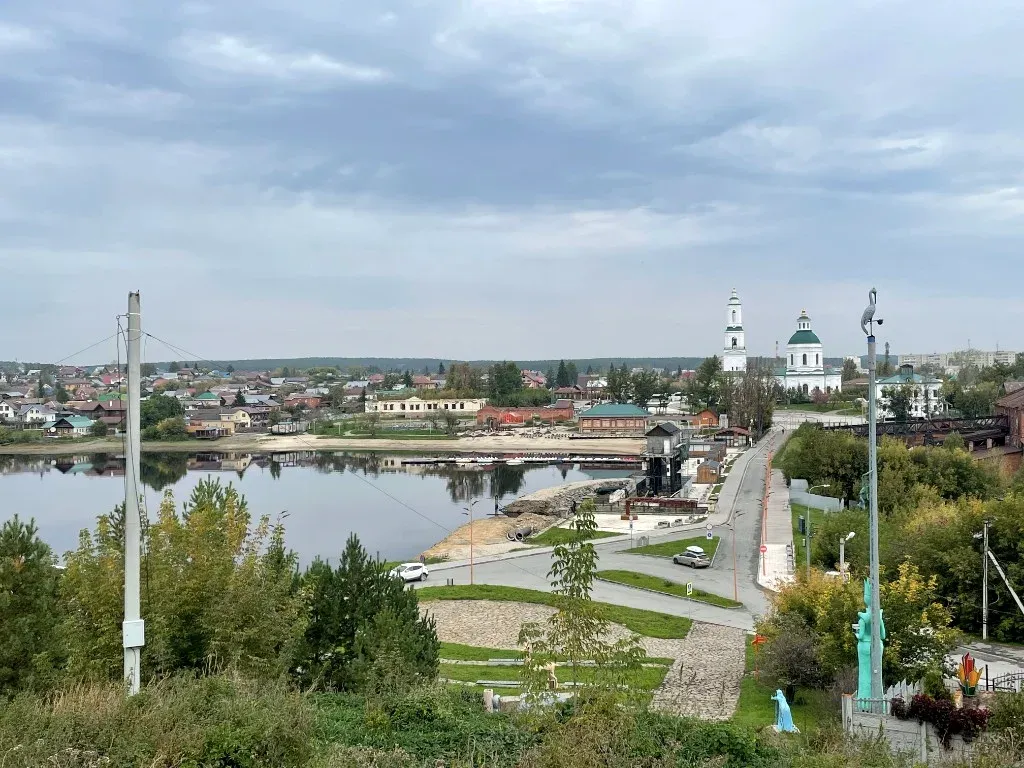
It’s a small town 40 kilometers from Yekaterinburg. Since 1732, an ironworks has been at work here, and the town grew up around it. This is the birthplace of the writer Pavel Bazhov, author of The Silver Hoof, The Mistress of the Copper Mountain, The Stone Flower and other tales. Nearly three centuries of industrial and cultural history are packed into this place.
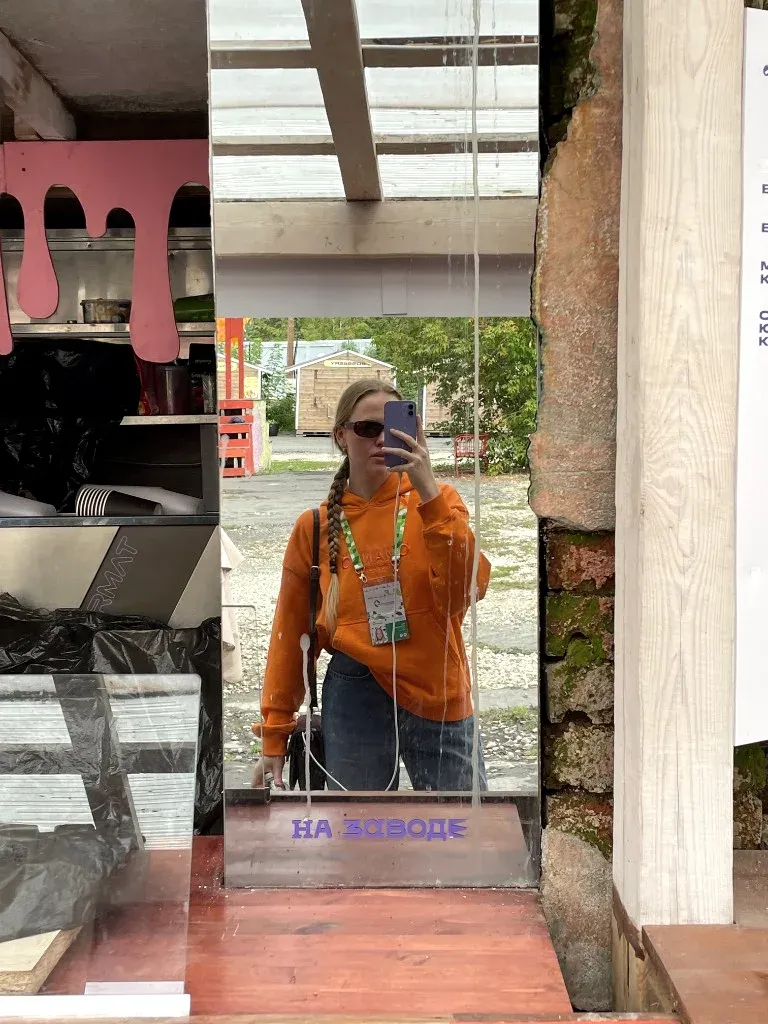
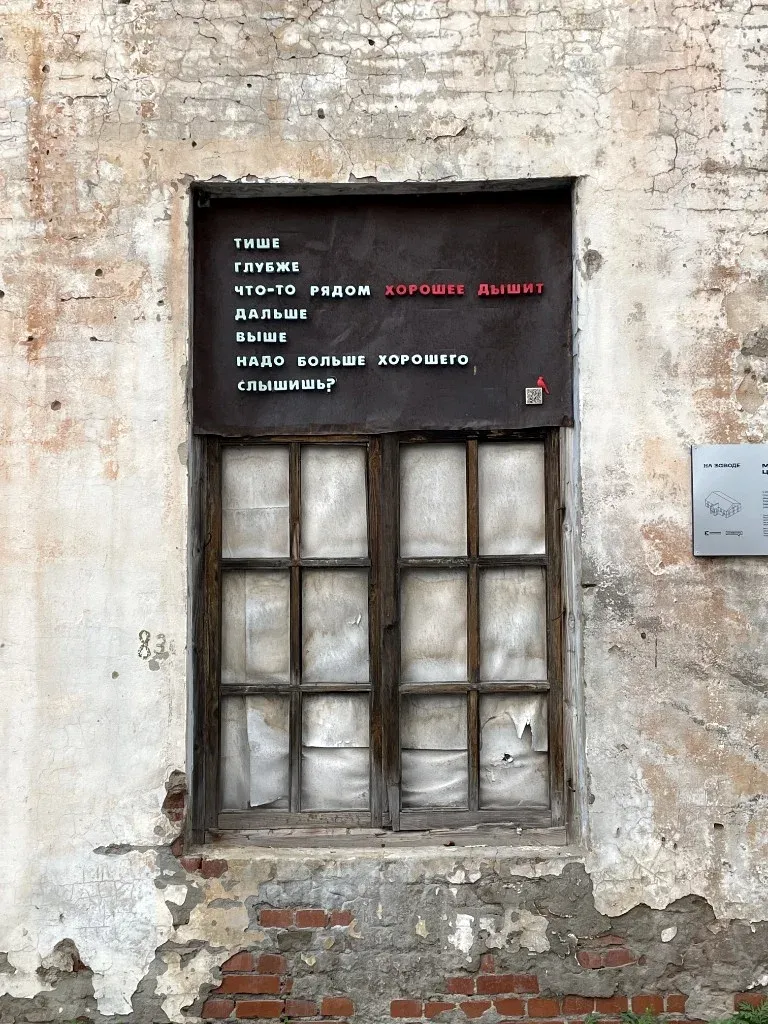
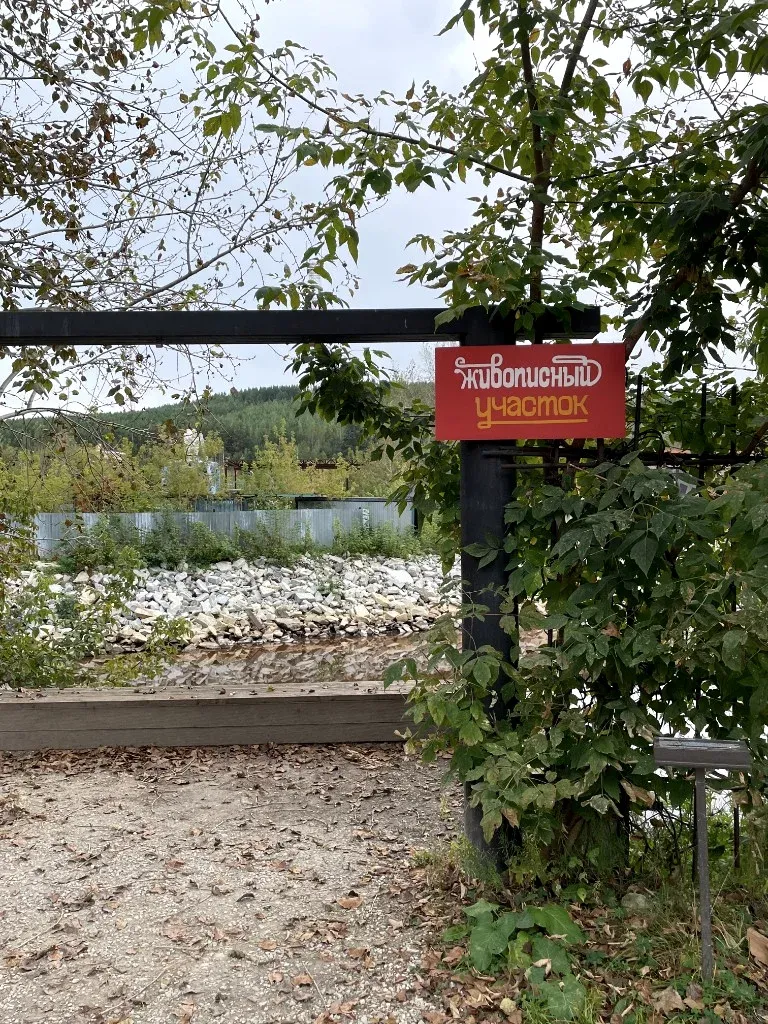
And now, it is also home to “At the Factory”.
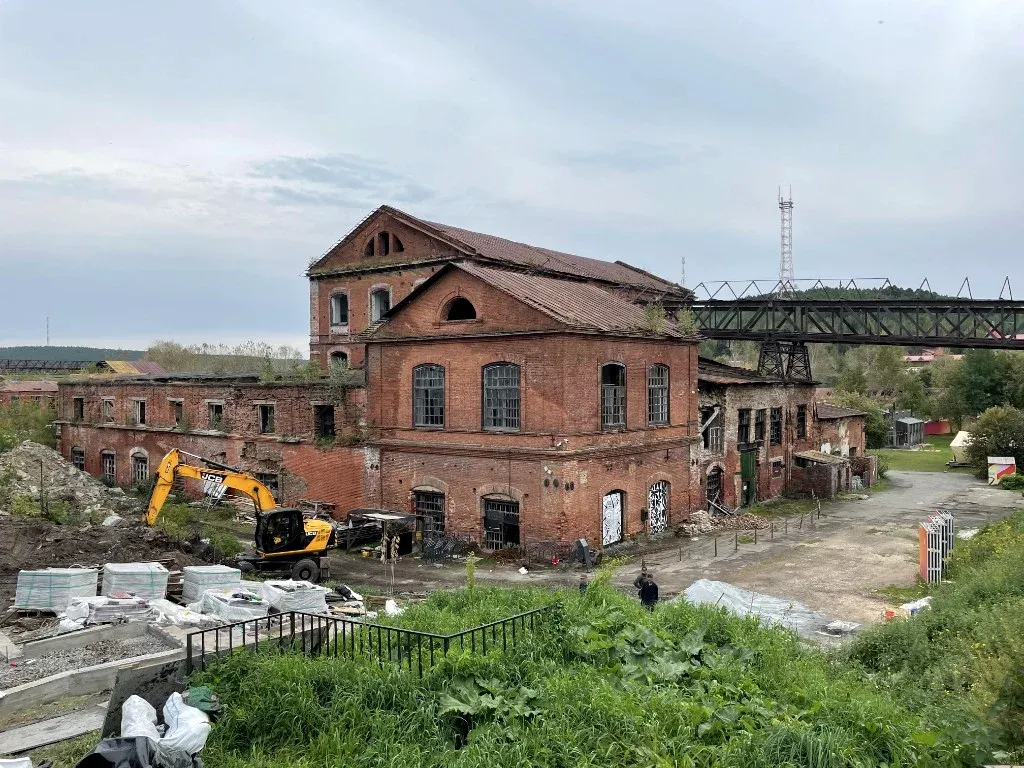
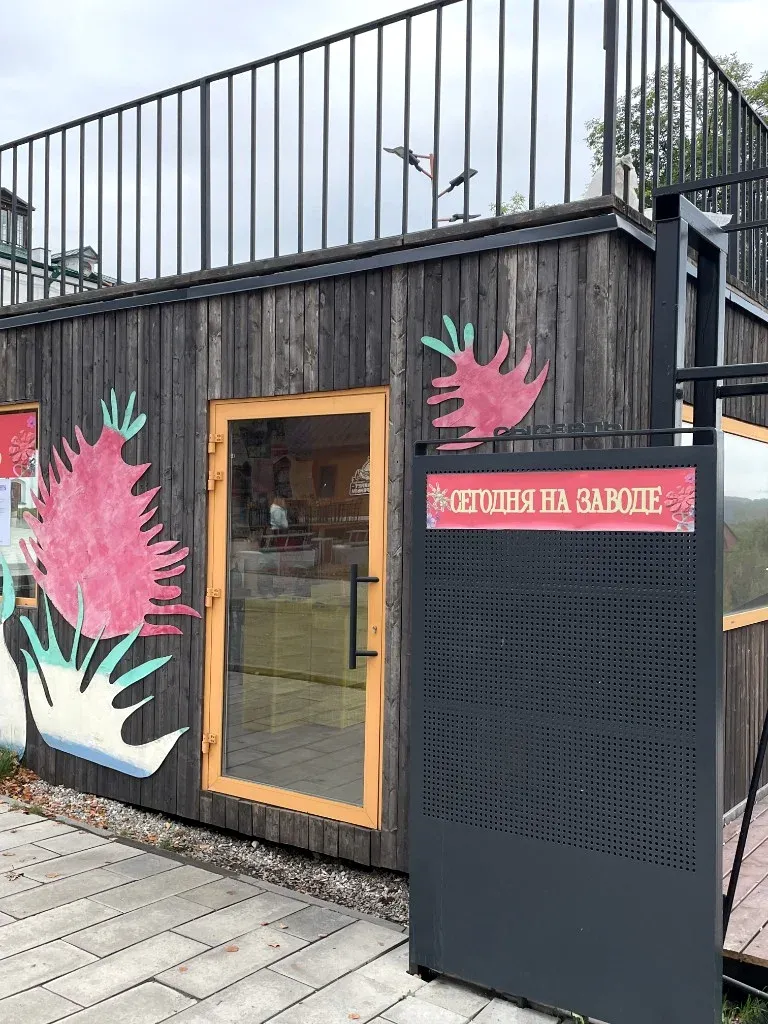
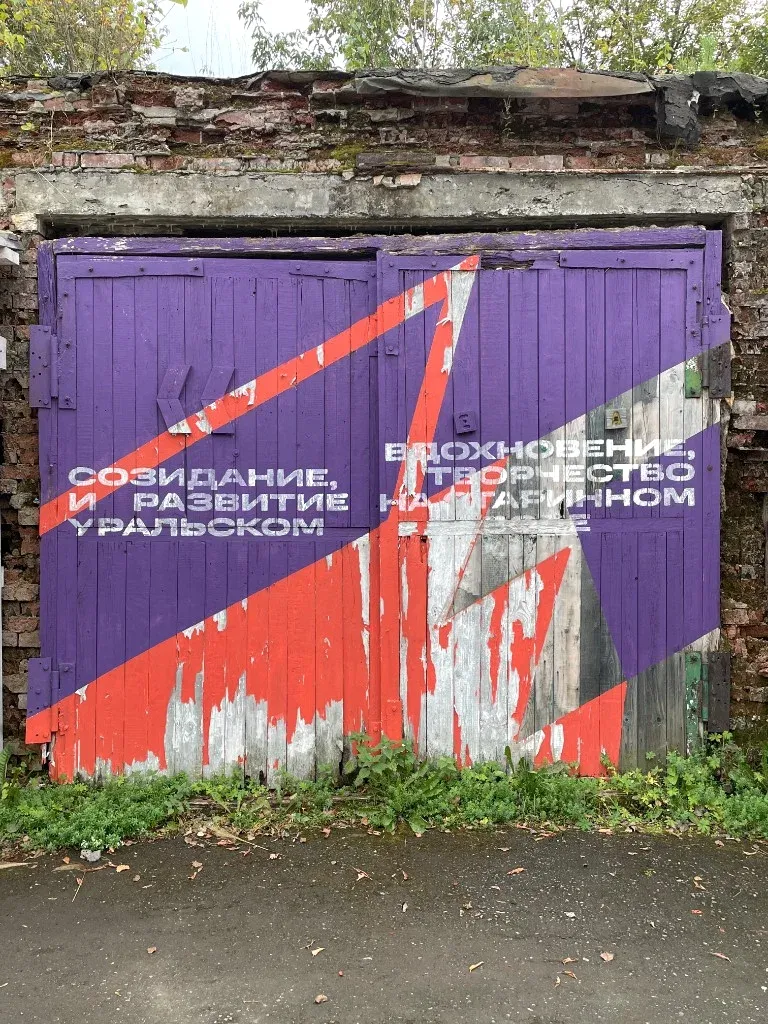
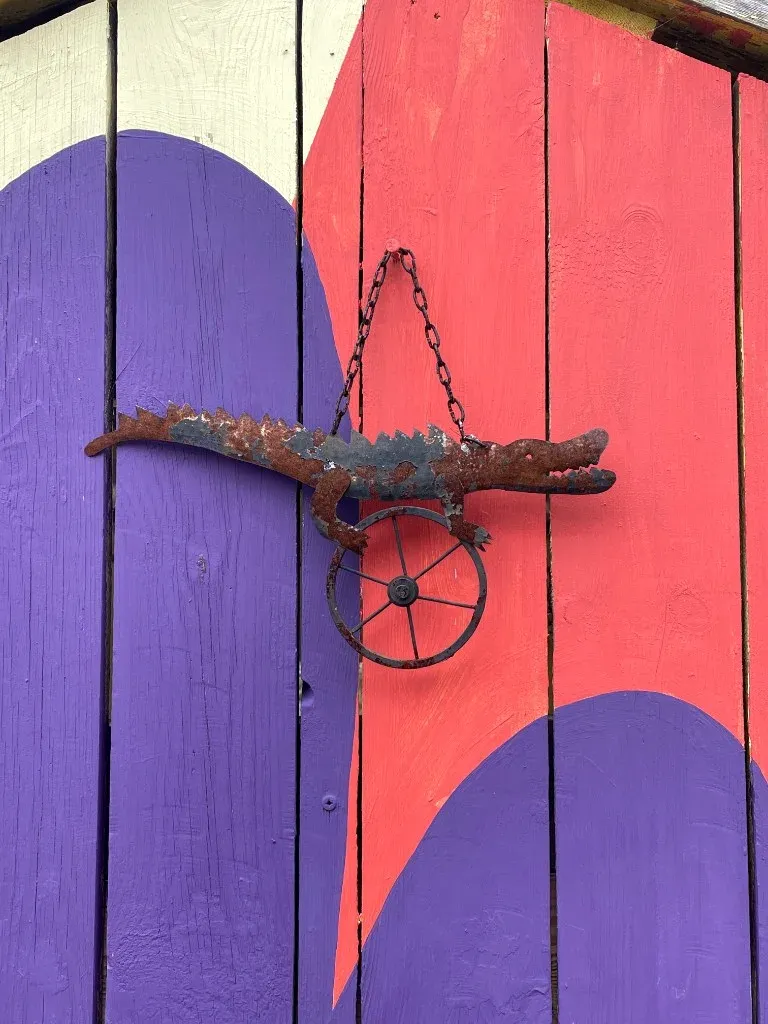
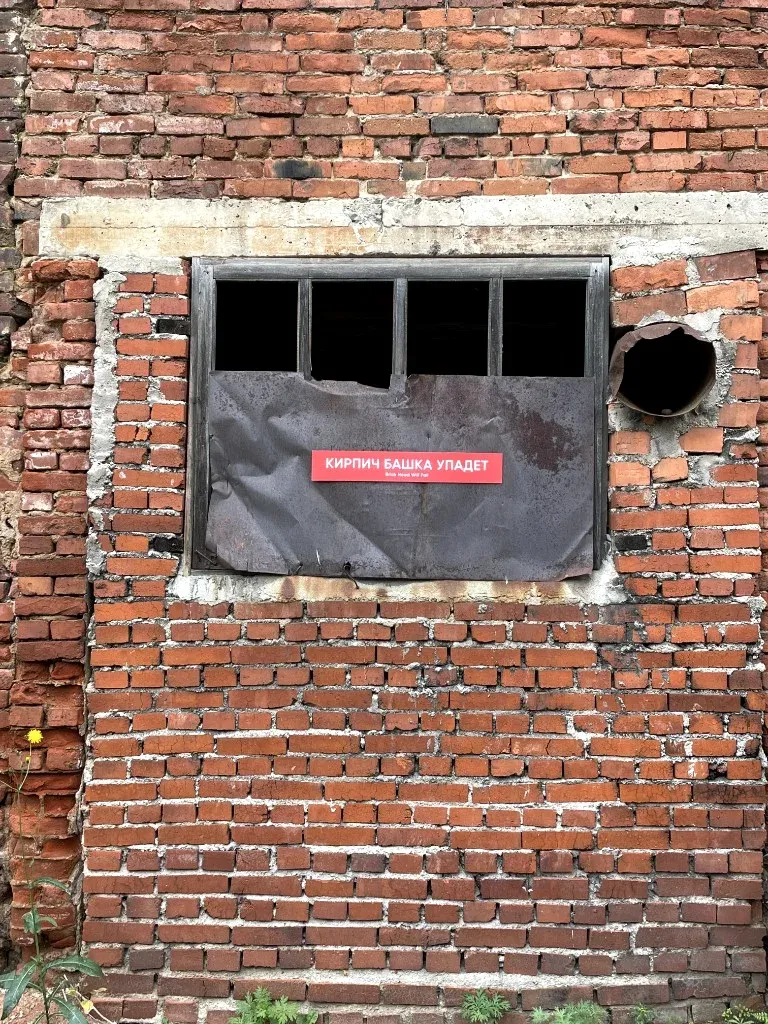
Old factory buildings, art objects, workshops, an amphitheater, exhibitions, festivals, music, theater, residencies, a museum, and all of it exists not in place of history, but right inside it. Nobody here is pretending the factory never existed. On the contrary, it has been preserved with all its scars and woven into the present.
And then there’s Sasha Savichev! And I’ll be honest with you… this is a love story of its own. Truly!
He’s a local historian, architect, tour guide and researcher of Sysert, and a man who could, hand on heart, do a stand-up set on the factory grounds, or better yet at Luzhniki, because he is funny. Genuinely, sincerely funny. Sasha began leading tours around the grounds, collecting factory artifacts and telling the story of the place, and eventually he created a museum of the plant’s history right in the old, abandoned Workshop No. 1.
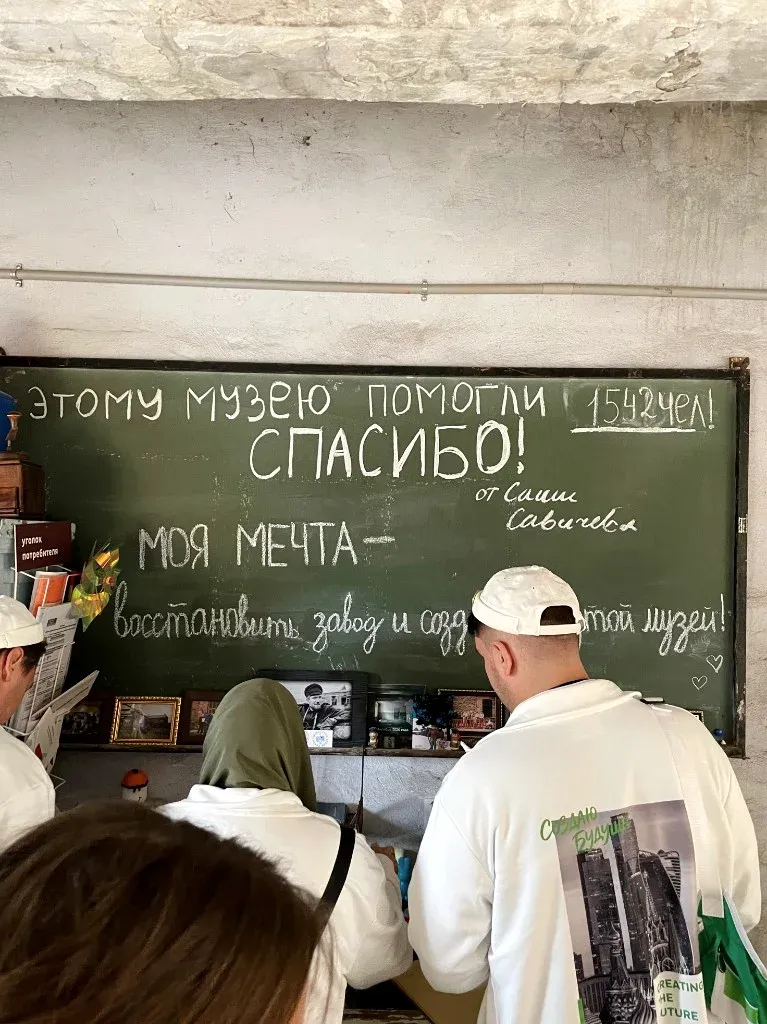
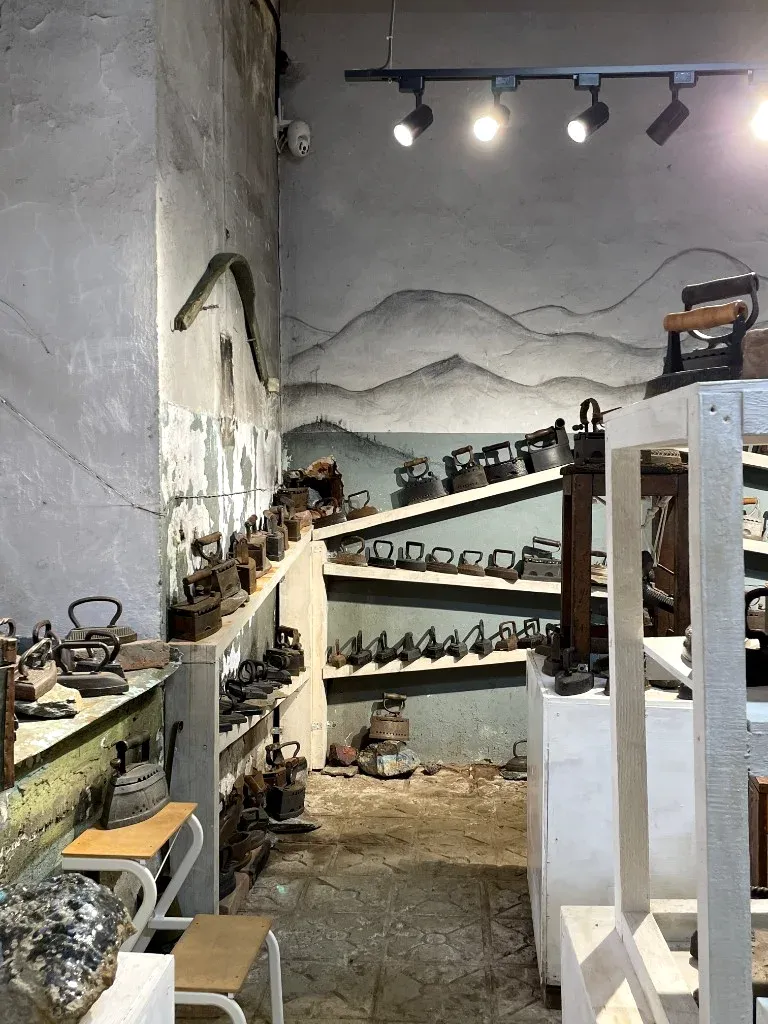
People bring in things that have sat in their homes for years: machine parts, documents, photographs, objects from the production floor, and all of it becomes the story of the town.
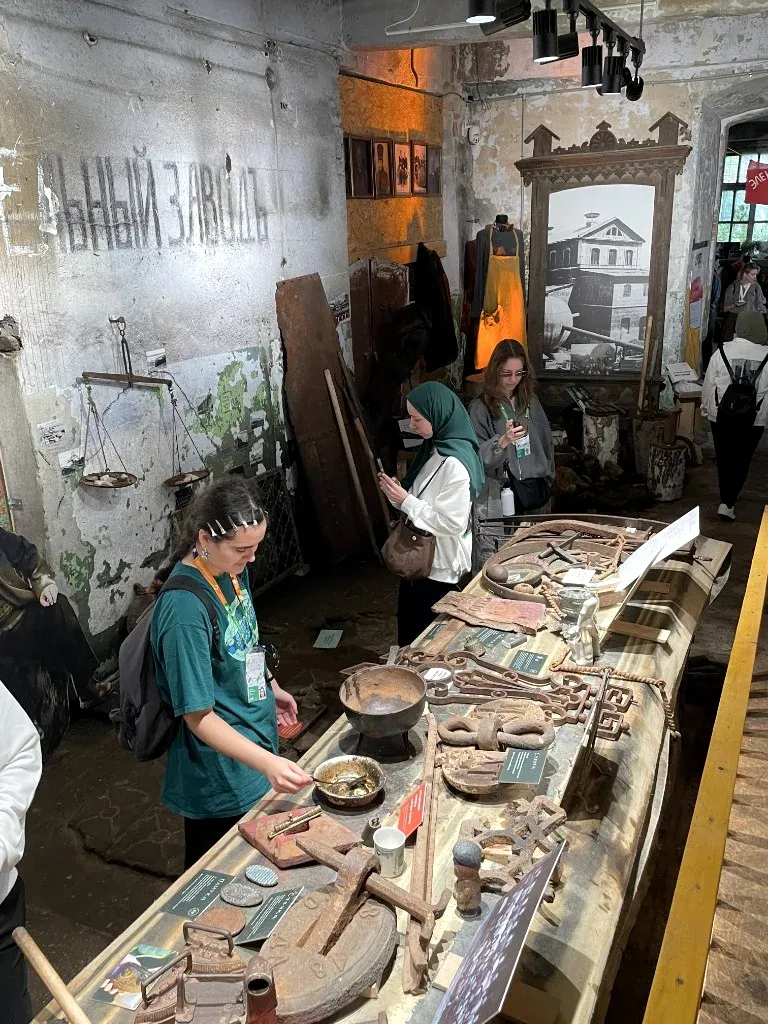
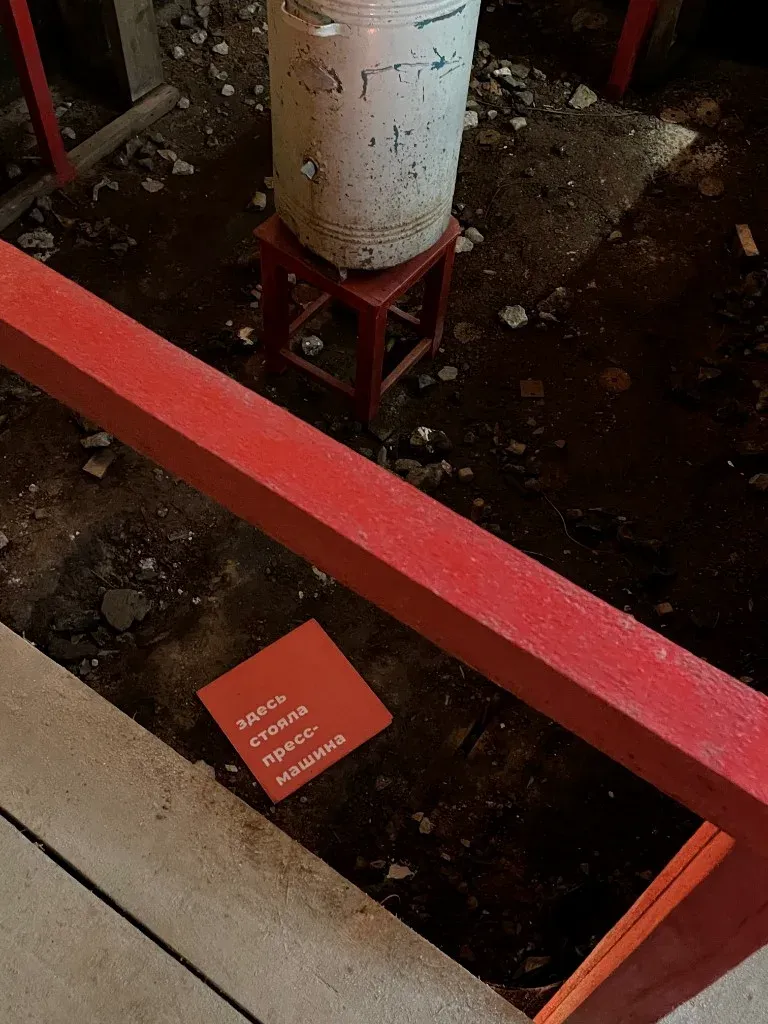
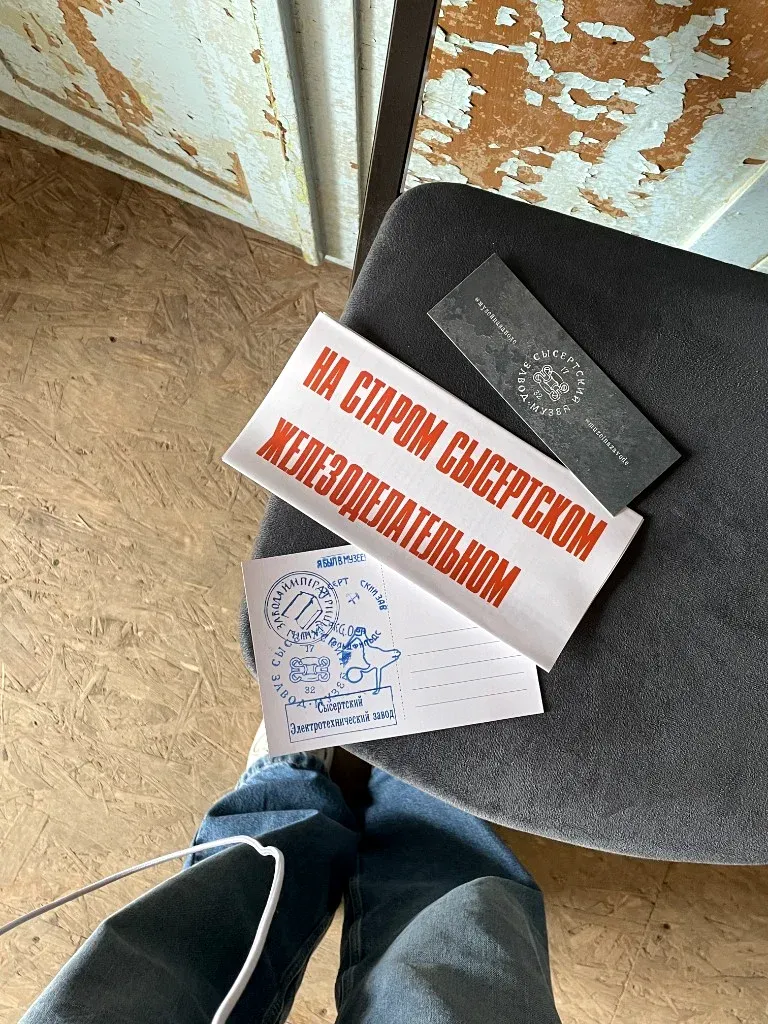
Here, heritage doesn’t sit behind glass. It keeps on living.
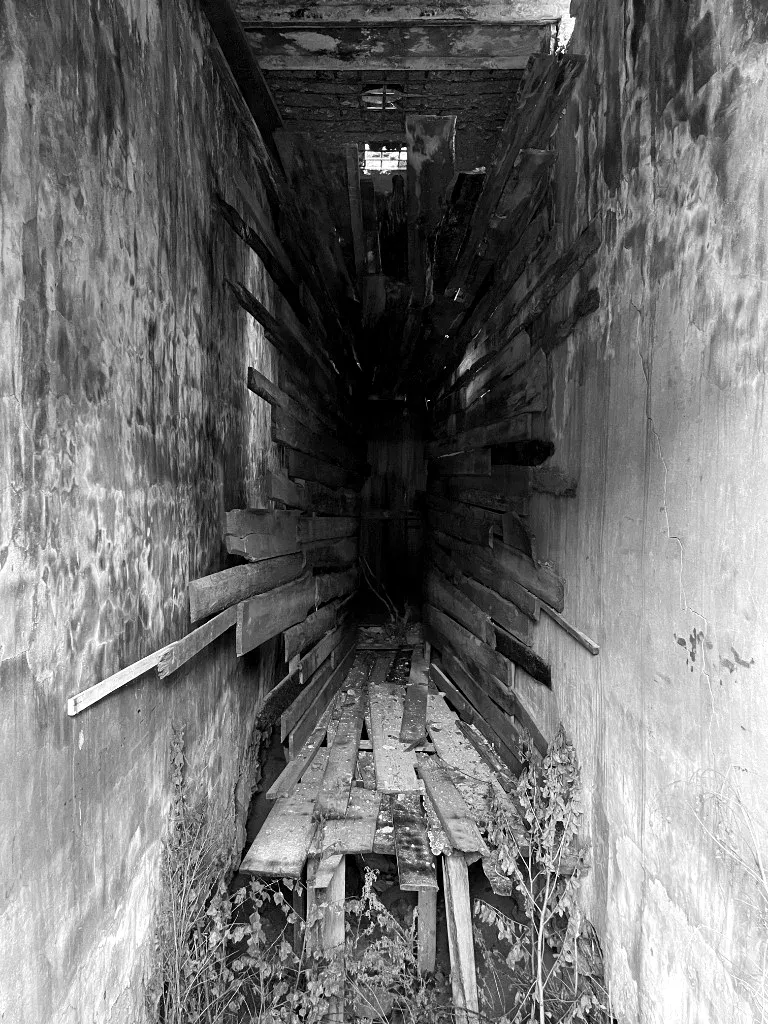
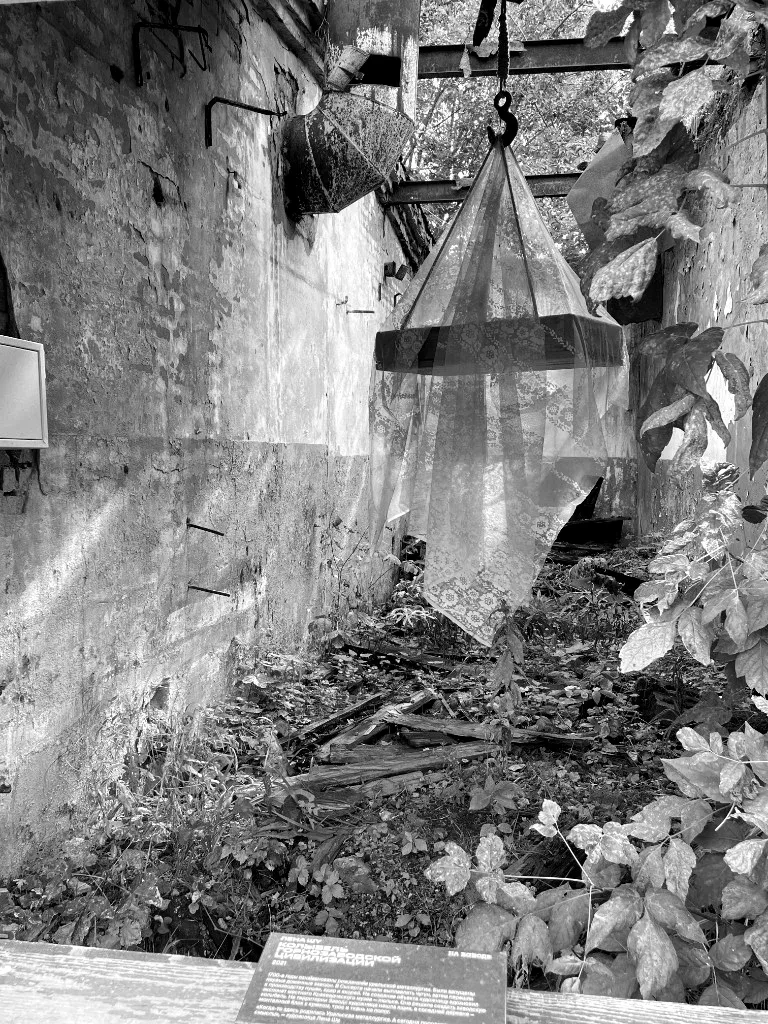
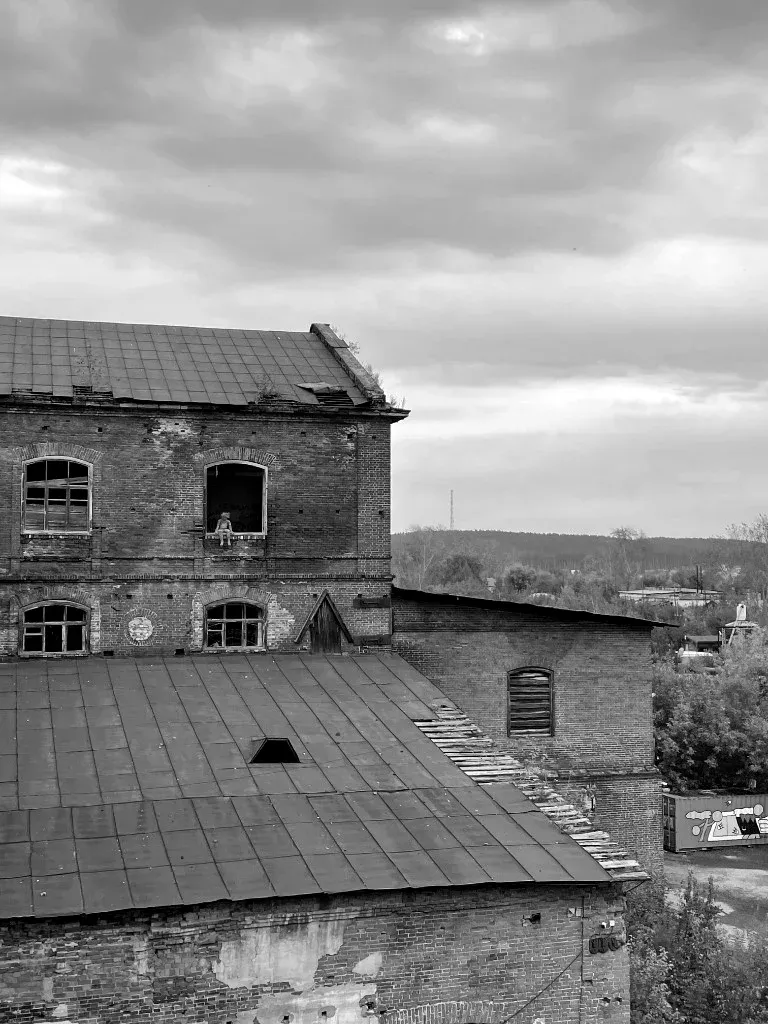
We’re used to admiring big cities and their creative spaces, like Sevkabel Port in St. Petersburg, or Khlebozavod No. 9 and Krasny Oktyabr in Moscow, and they truly are powerhouses of culture. But I have no desire to compare “At the Factory” with them, because this isn’t about competition. It’s one more member of a big creative-cluster family, with a character, emotions and colors all its own.
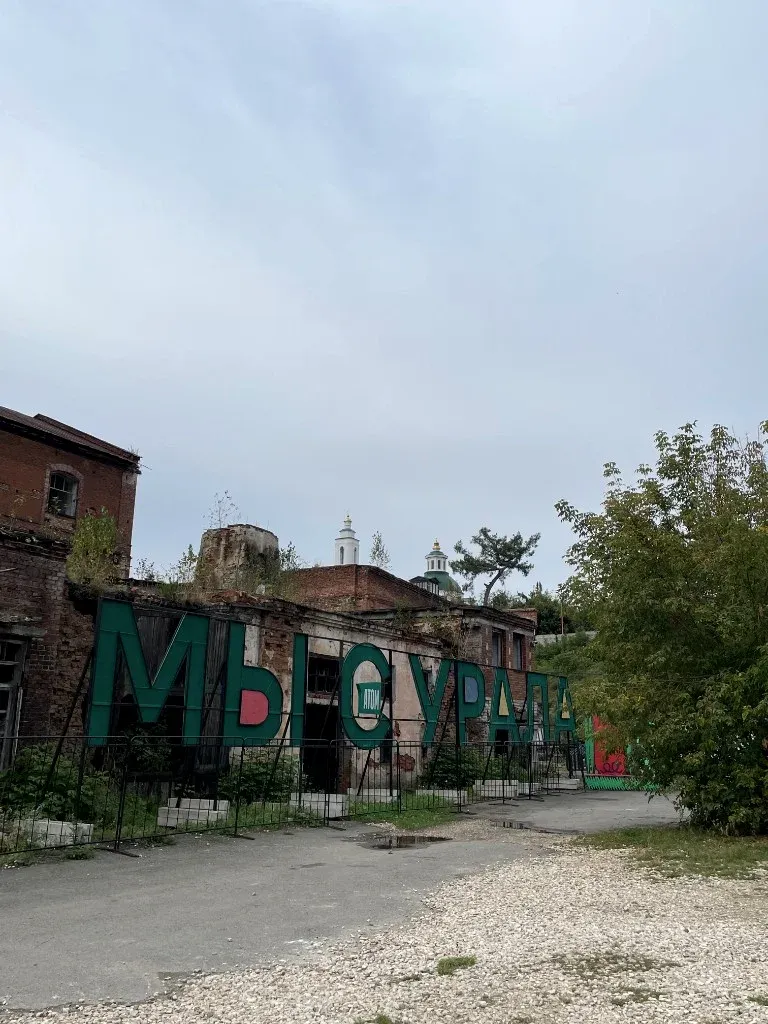
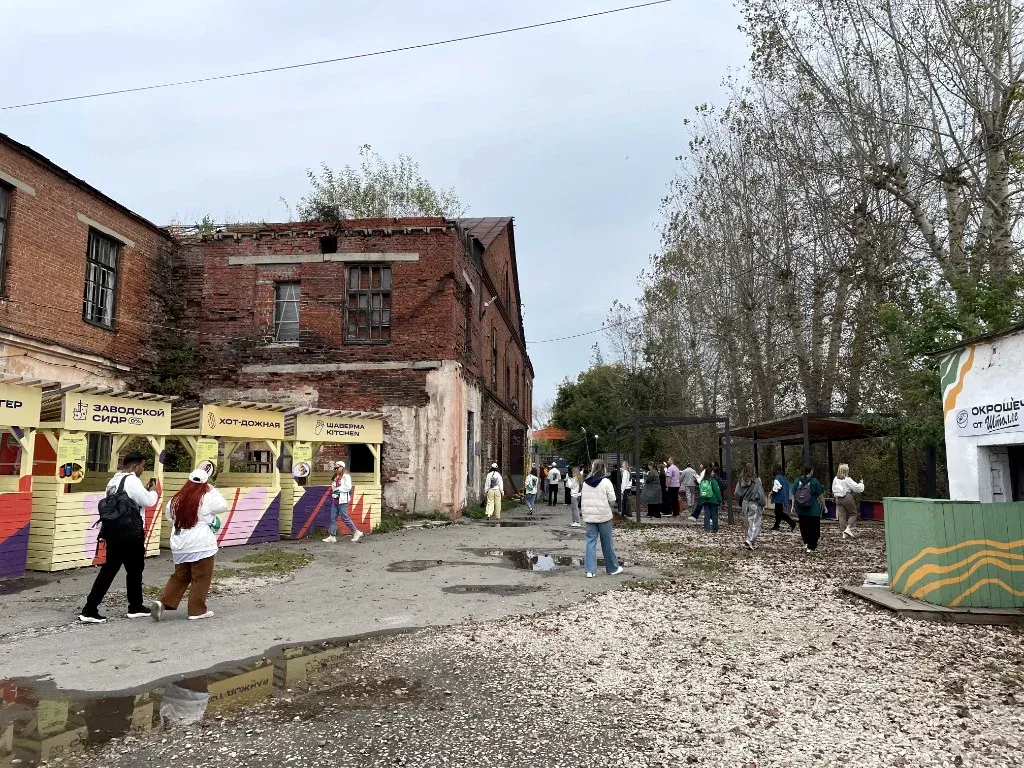
And perhaps it’s precisely such places that Russia needs most right now: places where people take their town, its history, its abandoned walls, its old photographs and their own ideas, and say, “Well, why don’t we give it a try?”
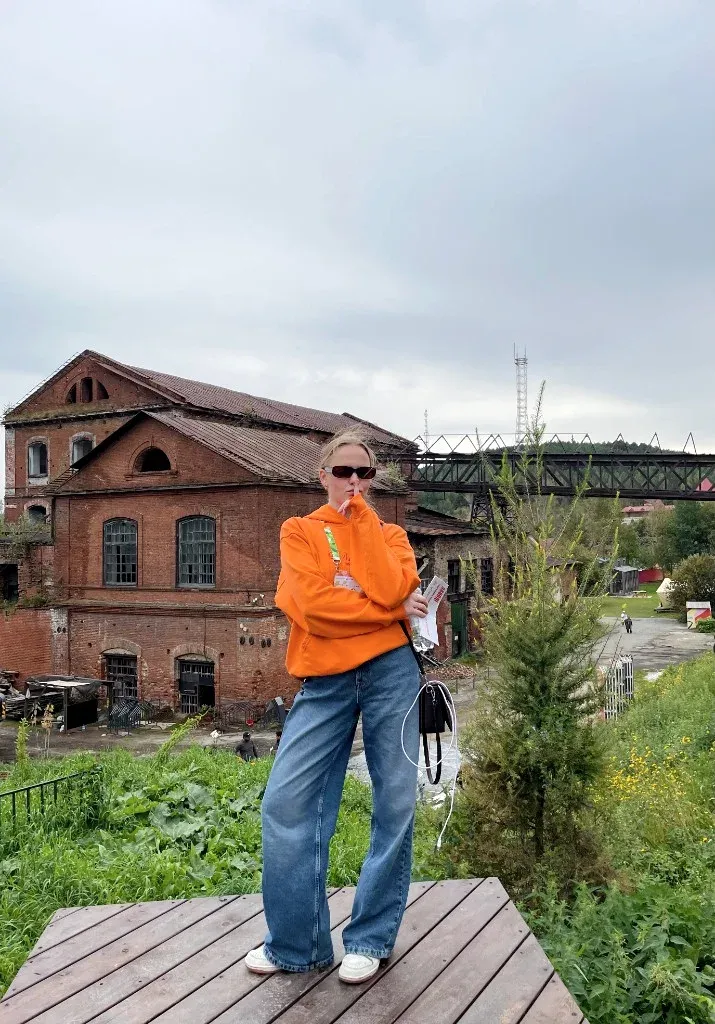
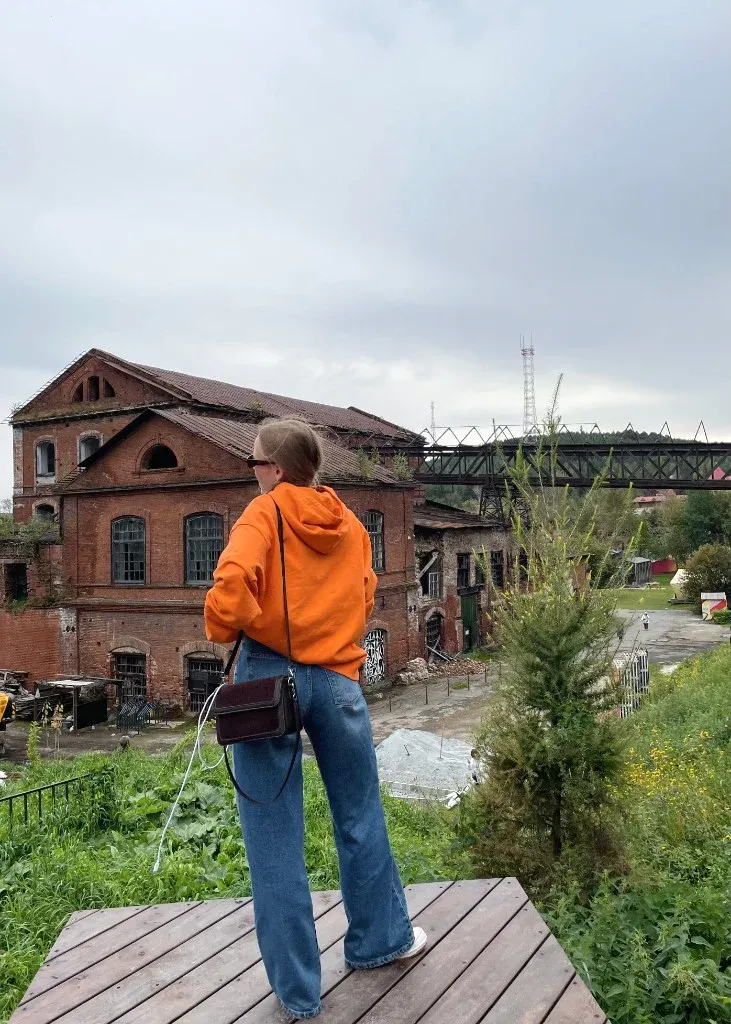
I spent only a few hours in Sysert, and now I want to shout about it from the rooftops. Because beyond the big cities, life goes on too. Rich, captivating, authentic, many-sided, inspiring and very, very beautiful. Sometimes you just need to tune in to your surroundings, slow down, and look left, right, up, down, forward, backward, and, why not, diagonally too.
“At the Factory” is one of those places you don’t just want to tell people about. You want to take them by the hand and bring them there yourself.